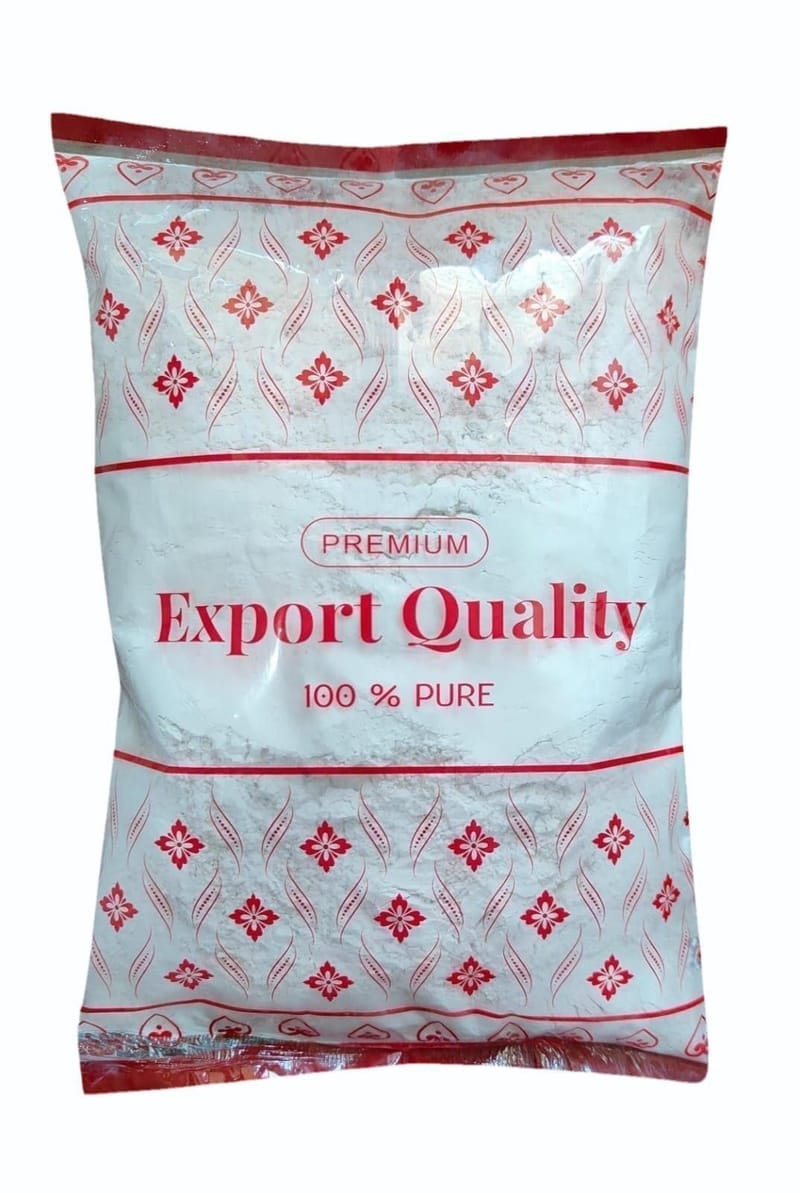
Walk into any commercial kitchen and you will find a tin of scouring powder somewhere. It is one of the cheapest items on the housekeeping inventory and one of the most misused. A correctly chosen scouring powder removes burnt food residue from a stainless-steel pot in 30 seconds. The wrong one — used on the wrong surface — destroys finishes that cost ₹30,000-₹2 lakh to replace.
This is the difference, written out so the procurement team and the chef both understand it.
The two abrasive systems
Scouring powders cluster into two abrasive families, and the difference matters more than any other line on the spec sheet.
Calcium carbonate-based — soft abrasive, particle size typically 50-150 microns. Removes light soiling and burnt residue from stainless steel and ceramic without scratching the surface. Safe on glass, glazed tile, polished SS, hard plastic. The standard "lemon scouring powder" sold for kitchen and bathroom use.
Silica or quartz-based — hard abrasive, particle size typically 150-400 microns. Removes heavy carbonised residue and rust from cast iron, raw aluminium and unglazed surfaces. Will scratch stainless steel, glass and chrome on first use.
A homeowner who uses the silica powder once on their stainless-steel sink leaves a permanent crosshatch of scratches that catches the light. A commercial kitchen that uses calcium carbonate on a burnt cast-iron tawa scrubs for ten minutes and gets nowhere. Both are wrong tool, wrong job.
What the spec sheet should specify
A scouring powder spec, written properly, looks like this:
| Use case | Right abrasive | Particle size | Active ingredient |
|---|---|---|---|
| Hotel bathtub, sink, ceramic | Calcium carbonate | 50-100 micron | + chlorine/sodium percarbonate for stain |
| Stainless-steel kitchen sink, pots | Calcium carbonate | 80-150 micron | + surfactant for grease |
| Cast iron, aluminium cookware | Silica fine | 150-200 micron | + surfactant; no chlorine |
| Concrete floor, brick, unglazed | Silica coarse | 200-400 micron | + alkaline builder |
| Glass cooktop, glass-ceramic | Cerium oxide cream (not powder) | 1-5 micron | Specialist product, not scouring powder |
Most commercial kitchens need two scouring SKUs, not one — the calcium-carbonate "general kitchen" powder for sinks, pots and routine work, and the silica fine for cast iron and aluminium. Stocking only one means the staff use it for everything, and one of the two surface types gets damaged.
The chlorine question
Bathroom scouring powders sometimes include chlorine (typically 0.5-1.5% sodium dichloroisocyanurate or active chlorine equivalent) for stain removal — rust streaks on white porcelain, mildew on grout, organic discolouration in baths. Chlorinated scouring powder is the right product for these specific stains.
It is the wrong product on stainless-steel kitchen surfaces (chlorine pits SS, especially the 304 grade common in commercial kitchens), on chrome plumbing (pitting), and on aluminium (severe pitting and discolouration).
The cardinal rule: bathroom scouring powders containing chlorine should be physically separated from kitchen scouring powders in the central store, in different-coloured containers, with a written warning. The 30-second time-saving from using "the powder that was nearest" against the multi-thousand-rupee surface damage is not a trade most properties realise they are making.
What it costs
Bulk scouring powder at OEM volumes lands at ₹35-65 per kg depending on abrasive grade, chlorine load and packaging. Retail-grade in 200-500 g shaker tins prices at ₹140-220 per kg-equivalent. A commercial kitchen using two SKUs at typical consumption rates spends about ₹500-900 per month on scouring powder per outlet — small enough that procurement attention almost never lands on it, large enough that the wrong SKU damages surfaces costing 100x the annual scouring spend to replace.
What we ship
Our lemon scouring powder is a 80-micron calcium-carbonate-based formulation with surfactant for grease, scented light citrus, in 200 g and 500 g shaker tins (retail) and 25 kg HDPE bags (bulk). Available with or without chlorine. The premium variant uses a finer 50-micron grade for mirror-finish stainless steel and high-end ceramic, suitable for luxury hotel bathrooms and chef-grade kitchens.
For the silica fine variant (cast iron, aluminium), MOQ is 500 kg and lead time is 3-4 weeks.
A storage-and-training note worth twenty rupees
Print and laminate the table from this post. Put one copy at the central store, one in the kitchen, one in housekeeping. Colour-code your scouring powder containers — green for kitchen calcium carbonate, yellow for cast iron silica, red for chlorinated bathroom. Train the team once. The capex on a chrome-pitting incident or a damaged induction cooktop is enough to justify the laminator three times over.
Get in touch for samples and bulk quotes. If you need a private-label run for distributor sales, we run from 500 kg per SKU.
Sources & Citations
- Powdered abrasive cleaners account for 18% of the global institutional cleaning products market, valued at over $8.2 billion annuallySource: Mordor Intelligence – Institutional Cleaning Chemicals Market Analysis 2024 - View Source
- India is the third-largest producer of calcium carbonate and feldspar minerals used in abrasive cleaning product manufacturingSource: Indian Bureau of Mines – Mineral Production Statistics 2023-24 - View Source
Ready to Start Your Project?
Partner with Shine And Aroma Home Care for expert contract manufacturing services. Our team is ready to bring your product vision to life with quality and precision.
