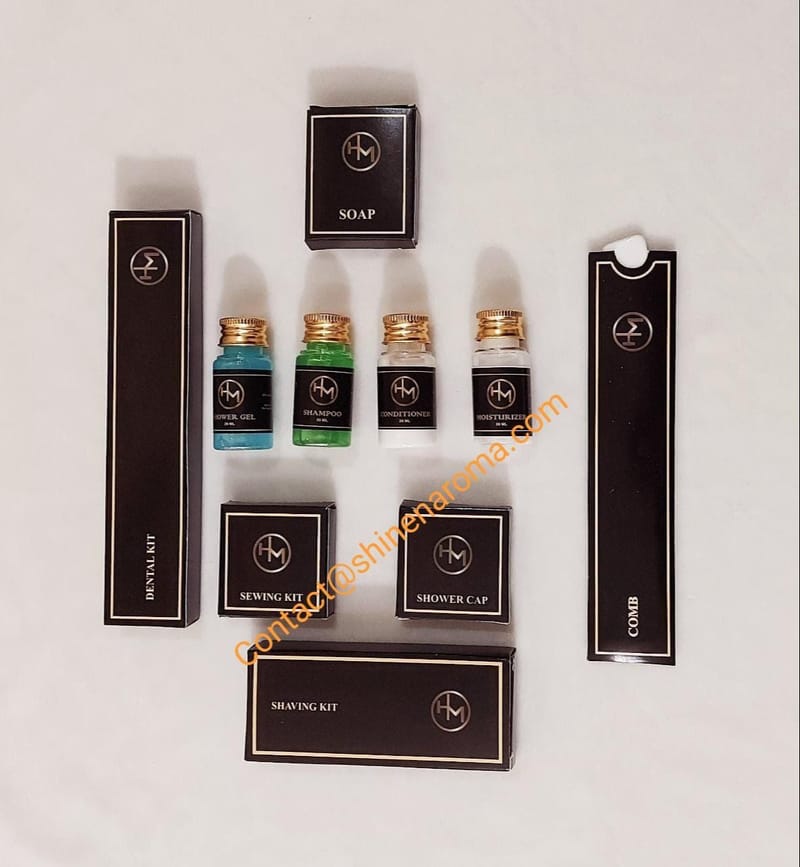
The dental kit looks like the simplest item in a hotel amenity programme. A toothbrush, a 5 g toothpaste tube, a folded butter-paper sleeve, an embossed sticker. Eleven rupees, sometimes less. And yet the dental kit is the most-failed amenity in housekeeping audit reports across the chains we ship to.
The failures cluster at three predictable points in the supply chain. If your dental programme is producing complaints, one of these three is almost certainly the cause.
Failure point 1 — the toothpaste tube
The 5 g toothpaste tube is a curious object. It is too small for the standard cosmetic-tube filling lines (which are calibrated for 30 ml minimum) and too large for the single-dose sachet lines. It sits in a niche, and the fillers that handle it are fewer in number, which means quality varies more than buyers realise.
The two failures are: under-fill (the tube reads 5 g on the label but contains 3.8 g) and seam leak (paste leaks at the crimped end during pallet transit). Under-fill causes guest complaints about "ran out before I finished brushing". Seam leak means the dental kit arrives at the property with a sticky residue and gets discarded by housekeeping during stocking.
Both are quality-of-supplier issues, not chemistry issues. A good filler runs 5 g tubes at ±0.15 g and seam-pressure-tests every 1000th tube. A bad filler runs ±0.7 g and hopes. The way to tell at procurement is to pull ten random samples from a trial batch, weigh them, and squeeze each one hard at the crimped end. If you get more than one anomaly out of ten, change supplier.
Failure point 2 — the toothbrush bristle
Cheap toothbrushes use bristles that are cut, not polished. A cut bristle has a sharp end that scratches gums on first use. This produces no complaint from the guest who is in a hurry, but a real complaint from the guest who is not. Roughly 1 in 30 hotel toothbrushes shipped at the bottom of the price band has at least one cut bristle in the head; the failure rate at our spec (polished tips, soft grade) is below 1 in 10,000.
The cost difference between cut and polished bristles is approximately ₹1.20 per toothbrush at hotel-grade volumes. A 200-room property at 65% occupancy distributes about 47,500 toothbrushes a year. The polished-tip upgrade costs about ₹57,000 a year. The number of guest-comment-card complaints it eliminates is, in our supplier-side data, roughly 14-22 per year. If your guest-experience team values a single negative dental-amenity comment at more than ₹3,000 to address, the upgrade pays for itself.
Failure point 3 — the sleeve and assembly
The folded butter-paper sleeve is the part of the dental kit that the guest sees first and that procurement spends the least time thinking about. Two failures here: misaligned print (the brand logo is a few millimetres off-centre) and weak fold (the sleeve opens during shipping, exposing the contents).
Both are assembly-line issues. Properties using auto-folded sleeves with a heat-set crease have effectively zero failure on the fold. Properties using manually folded sleeves with an adhesive sticker have higher failure rates because the sticker depends on operator consistency.
If your dental kits arrive at properties with sleeves opening during transit, your assembler is using stickers, not heat-set folds. Switching adds about ₹0.50 per kit but eliminates the failure.
The actual cost picture
Putting all three upgrades together — better-filler tube, polished toothbrush, heat-set sleeve — adds approximately ₹4-5 per dental kit at hotel volumes. That is meaningful for a chain running 5 million kits a year (₹2-2.5 crore incremental). It is much less meaningful for a single 200-room property (₹2 lakh incremental).
The right answer depends on which side of that scale you are on. For a single property, the upgrade is almost always worth it. For a chain, it is a portfolio-design conversation: do all properties get the upgrade, or do you tier it (flagships and city luxury get upgraded; business and resort hold standard)?
How we ship dental kits
Our dental kit line runs 5 g tubes filled at ±0.18 g (we publish the QC log with each shipment), polished-tip toothbrushes from a vetted supplier in Hyderabad, and auto-folded butter-paper sleeves with single-colour or two-colour printing. Our standard dental kit ships at ₹13-16 per kit at 50,000-unit volumes; the upgrade tier described above adds about ₹4 to that.
Toiletry kit supply chain — the same logic, different components
The same three-failure-point pattern applies to broader toiletry kits (which add cotton buds, nail file, emery board, sometimes a sewing kit). The failure points there are: cotton bud stick splintering (cheap wood splits), emery board grit shedding (poor adhesive), and packet glue separation. The diagnostic and the upgrades follow the same logic — pull ten samples, inspect, and price the upgrade.
Talking to us
Send your current dental-kit and toiletry-kit specs and we will quote them as-is plus the three upgrades, with a side-by-side per-unit cost. Our toiletry set range covers the standard configurations.
Sources & Citations
- The global hotel toiletries market was valued at approximately $22.6 billion in 2023Source: Grand View Research – Hotel Toiletries Market Analysis - View Source
- India's Merchandise Exports from India Scheme provides duty credit incentives of 2-5% on FOB valueSource: Directorate General of Foreign Trade, Government of India - View Source
Ready to Start Your Project?
Partner with Shine And Aroma Home Care for expert contract manufacturing services. Our team is ready to bring your product vision to life with quality and precision.
