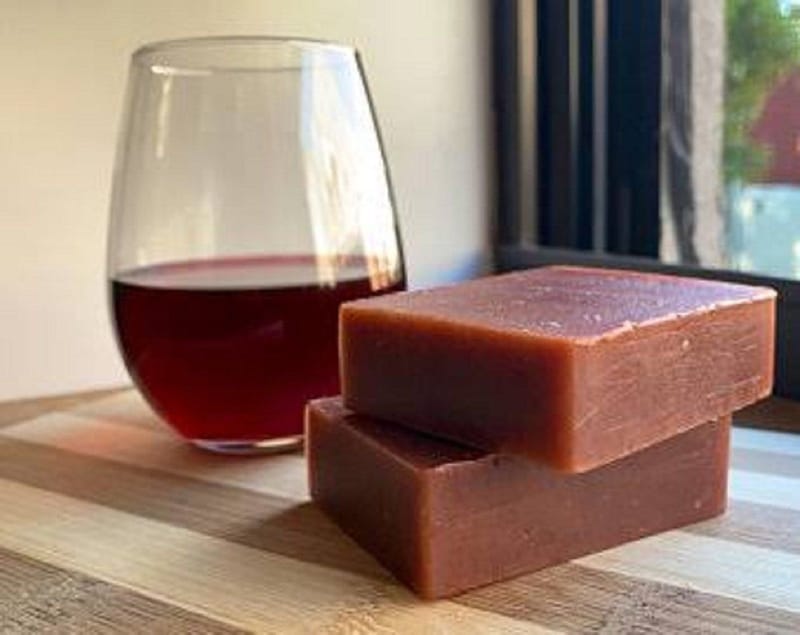
A boutique hotel in Pondicherry switched its guest-bathroom soap from a machine-poured glycerin bar to a hand-cut artisanal red-wine soap with rose petals visible in the bar. Their guest TripAdvisor reviews picked up two new repeat phrases within three months: "the soap" and "smelled like a real soap, not a hotel". They paid roughly 2.4x per bar for the upgrade. Their amenity-related guest comments tripled.
Whether that maths works for your property depends on questions most amenity briefs do not ask. This post is the questions.
What "handmade" actually means in soap manufacturing
The term is used loosely. There are three production methods sold as "handmade":
- Cold-process — traditional saponification, mixed and poured by hand, cured 4-6 weeks. The bar has visible swirls, ingredient inclusions (rose petals, oat flakes, charcoal), and slight bar-to-bar variation. Real handmade.
- Melt-and-pour with inclusions — a glycerin or sorbitol base is melted, fragrance and inclusions added, poured into individual moulds. Looks artisanal; production is semi-automated. Often sold as handmade but is only partly so.
- Machine-pressed with rustic finish — fully industrial production with a deliberately uneven cut to look hand-cut. Not handmade by any reasonable definition.
The price gap between these is significant. Cold-process artisanal bars cost roughly 2.5-4x a standard glycerin bar. Melt-and-pour with inclusions cost about 1.5-2x. Machine-pressed rustic bars cost 1.05-1.2x and are essentially a marketing exercise.
Most hotel buyers think they are getting cold-process and are actually getting melt-and-pour. Both are good products; they should be priced as what they are.
Where cold-process actually pays off
The Pondicherry property's experience is real but it is not universal. Cold-process artisanal soap pays back its premium when three conditions are present:
- The property's brand position is "experiential", "destination", "heritage", or "wellness" — not "convenient" or "business"
- Guests photograph the bathroom amenity (a measurable behaviour — track it in feedback forms)
- The hotel's amenity story can be told to guests (a card, a website page, a check-in mention)
If any one of those is missing, the maths gets tighter. If two are missing, machine-poured glycerin with a soft-touch wrap delivers most of the perception at a third of the cost.
What we make and what it actually involves
Our red-wine soap is genuine cold-process: red wine reduced to 30% volume, blended into the lye-water phase, saponified with olive and coconut oils, with rose petals laid into the surface before cutting. Each batch is 80 kg yielding about 800 bars at 100 g, cured for five weeks before shipping. The rose petal variant follows the same method on a base without wine.
What this means in practice for a hotel buyer:
| Spec | Cold-process artisanal | Stock glycerin |
|---|---|---|
| Bar-to-bar visual variance | Visible (intentional) | Effectively none |
| Lead time first batch | 8-10 weeks (cure included) | 2-3 weeks |
| MOQ practical | 2,000 bars (one batch) | 10,000 bars (one pallet) |
| Per-bar cost (50 g, branded sleeve) | ₹95-145 | ₹38-55 |
| Shelf life | 18 months | 24 months |
The smaller MOQ is one of the genuine advantages of artisanal supply for boutique properties — you do not need to commit to a pallet of one fragrance.
The fragrance options that work
For boutique properties, four artisanal scent profiles consistently land well in our experience:
- Red wine + rose petal — heritage, romantic, photogenic. Default for wedding-leaning properties.
- Goat milk + honey — soft, earthy, "wellness". Default for spa and yoga-focused properties.
- Activated charcoal + tea tree — modern, clean, slightly clinical. Default for design-led urban boutiques.
- Coffee + cocoa — exfoliating, mood-evocative. Default for properties with a coffee or chocolate story.
Custom artisanal fragrances are also possible — we have done a saffron-cardamom for a Rajasthan property and an oud-rose for a Hyderabad heritage hotel. Custom development takes 12-14 weeks including the cold-process cure and four sample iterations.
When to say no to handmade
If your property is a 200-room business hotel, your guests check in tired, shower, sleep, and check out. The artisanal soap is wasted on this guest. Use a good machine-poured glycerin and put the saved money into the moisturiser tube — that is the amenity this guest will notice.
If your guests average less than one night per stay, same answer. The artisanal advantage compounds with longer stays where the guest has time to register the amenity.
If your check-in process does not include a visual moment (welcome amenity displayed, room introduction, written card), the artisanal soap is doing its work alone, in the bathroom, on day-two-of-the-stay. Half the perceived value is lost without the introduction.
Talking to us
Tell us your property type, room count, average stay length, and brand position. We will tell you honestly whether cold-process is worth it — and if it is, send a sample batch within four weeks.
Sources & Citations
- The global boutique hotel market is projected to reach $133.4 billion by 2028Source: Allied Market Research – Boutique Hotel Market Report - View Source
- India is the world's largest producer of castor oil, accounting for over 85% of global productionSource: ICAR – Castor Research Directorate - View Source
Ready to Start Your Project?
Partner with Shine And Aroma Home Care for expert contract manufacturing services. Our team is ready to bring your product vision to life with quality and precision.
